Iron deficiency affects 15% of premenopausal women in Australia. Symptoms include fatigue, pale skin, weakness, headaches, dizziness or lightheadedness, cold hands and feet, brittle nails, restless legs syndrome, chest pain, a fast heartbeat, or shortness of breath.
How do I know what my iron levels are?
Some people may not know their iron stores are low until they undertake a routine blood test.
Iron studies usually test:
Ferritin test – stored iron.
Serum Iron test – iron circulating in the body.
Transferrin test – measures how well your body transports iron in your blood.
Transferrin saturation test – a calculation that determines the percentage of your transferrin that contains iron.
Women are more likely to be iron-deficient due to menstruation, but there are additional factors that come into play when we look at building and maintaining iron stores.
Reasons for low levels:
- Blood loss
- Poor absorption
- Increased physiological demand
- Chronic health conditions
To increase iron levels, supplementation, iron infusions and dietary therapy are all treatment options, depending on your needs.
However, if there is an absorption issue, levels will remain low until the cause is identified. Malabsorption can result from digestive disorders such as celiac disease, ulcerative colitis, or Crohn’s disease. Your Doctor may recommend additional tests to rule these out.
How does Chinese Medicine approach Iron Deficiency?
Blood in Chinese Medicine is produced by the Spleen and Kidneys; it has four main functions: to nourish the body, moisten the body, govern menstruation, and care for the mind.
Blood in Chinese Medicine and Iron are not interchangeable terms; however, they share similar symptoms when stores are low, and are supported in similar ways.
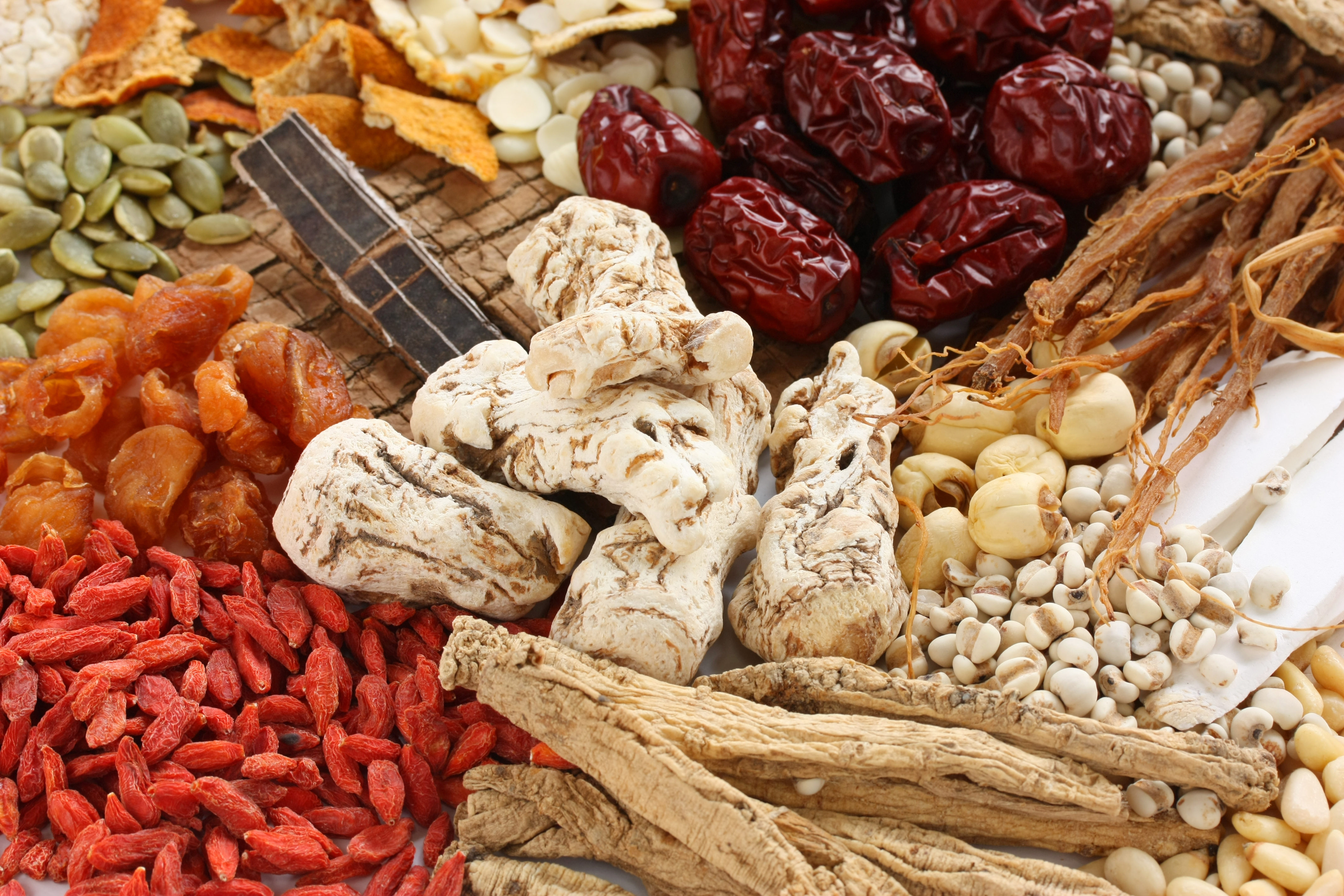
When supporting blood deficiency, we use acupuncture, herbal medicine, dietary therapy, and supplements as needed. We look to ‘nourish blood ’ and care for the Spleen and Stomach (digestive system), ensuring the smooth flow of Qi and Blood throughout the body.
Iron stores and Blood stores (in Chinese Medicine) take time to rebuild. Imagine an empty bucket that is being filled one drop at a time – with consistent intake, eventually the bucket will be filled.
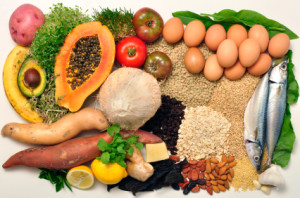
A few of my favourite ways to help support iron and blood stores include increasing red meat intake. If you can, buy good quality meats from the butcher. Beef mince is cheap and versatile; beef liver is incredibly nutrient-dense and affordable when fresh; otherwise, you can look at a powdered or encapsulated version. Also, eat Vitamin C with iron-rich foods; it helps increase absorption.
Iron deficiency is incredibly common; talk to your Doctor about routine iron studies to see where your levels are. If you’re struggling to improve your iron levels, book in for an appointment to see how Chinese Medicine may help.
– Kerrie
References
https://www.mayoclinic.org/diseases-conditions/iron-deficiency-anemia/symptoms-causes/syc-20355034
https://www.mayoclinic.org/diseases-conditions/iron-deficiency-anemia/symptoms-causes/syc-20355034
https://www.racgp.org.au/check/check-issues/2023/iron-deficiency
https://www.drxiangjun.com/blog/what-is-blood